PMC & PCMC Rainwater Harvesting Engineering Guide
Aquifer Recharge, Tanker ROI Math & 5% Tax Rebate Compliance
PMC & PCMC rainwater harvesting guide covering aquifer recharge, tanker
savings, ROI, and 5% property tax rebate compliance.
savings, ROI, and 5% property tax rebate compliance.
Every summer between March and May, housing societies across Wakad, Baner, Kothrud, Kharadi, and Hadapsar—alongside manufacturing units in Chakan and Bhosari MIDC—spend tens of thousands of rupees on private water tankers while borewells run dry. Yet between June and October, those exact properties discharge millions of liters of clean rooftop rainwater straight into municipal storm drains.
For society managing committees, architects, and industrial EHS managers, poorly designed “gravel-pit” RWH setups clog within one monsoon and fail municipal inspection. Here is the complete engineering, compliance, and ROI blueprint behind Dhaneshwari’s PMC & PCMC approved rainwater harvesting systems in Pune.
For society managing committees, architects, and industrial EHS managers, poorly designed “gravel-pit” RWH setups clog within one monsoon and fail municipal inspection. Here is the complete engineering, compliance, and ROI blueprint behind Dhaneshwari’s PMC & PCMC approved rainwater harvesting systems in Pune.
1. Pune Rainfall Yield & Tanker Replacement Economics
Sizing an RWH system accurately begins with catchment area (A), Pune’s average annual rainfall (R ≈ 750 mm, within the typical 720–850 mm range), and surface runoff coefficient (Cr, typically 0.85 for concrete RCC terraces and 0.90 for industrial metal-sheet roofs):
- Annual Harvestable Yield (Liters) = Catchment Area (sq.m) × Rainfall (mm) × Runoff Coefficient (Cr)
Property Category & Roof Area |
Annual Rainfall (Pune Avg.) |
Runoff Coefficient (Cr) |
Annual Harvestable Water |
Equivalent 10,000L Tankers Saved |
|---|---|---|---|---|
|
Independent Bungalow
1,000 sq.ft (93 sq.m)
|
750 mm
|
0.85 (RCC Roof)
|
59,280 Liters |
~6 Tankers / Year
|
|
Small Housing Society
5,000 sq.ft (465 sq.m)
|
750 mm
|
0.85 (RCC Roof)
|
296,400 Liters
|
~30 Tankers / Year
|
|
Large Multi-Wing Society
20,000 sq.ft (1,858 sq.m)
|
750 mm |
0.85 (RCC Roof)
|
1,184,700 Liters
|
~118 Tankers / Year
|
|
MIDC Industrial Shed / PEB
50,000 sq.ft (4,645 sq.m)
|
750 mm
|
0.90 (Metal Sheeting)
|
3,135,000 Liters
|
~313 Tankers / Year
|
2. Direct Storage vs. Deep Borewell Recharge in Deccan Basalt
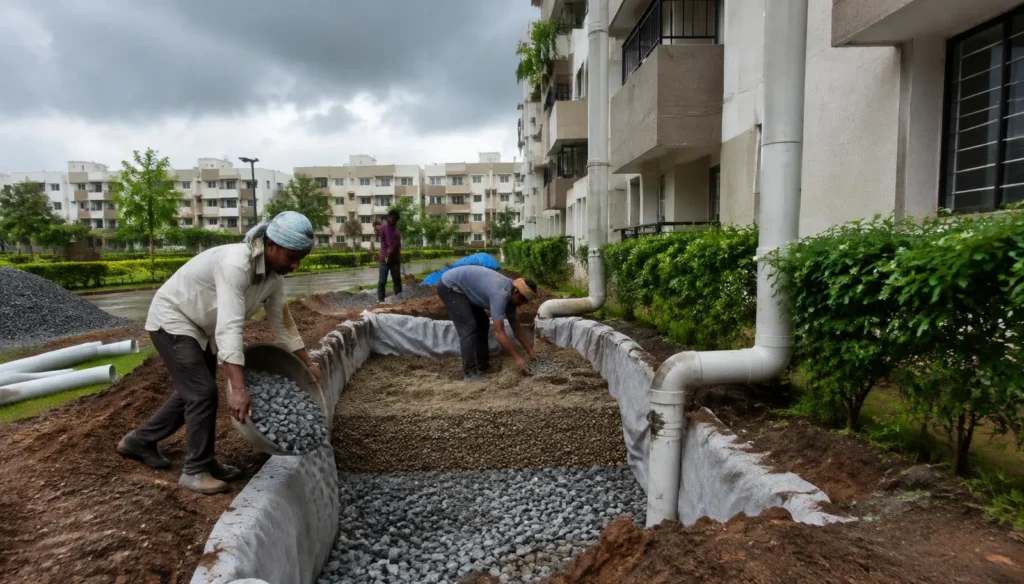
Pune sits on hard volcanic Deccan Trap basalt overlain by thin murrum or black cotton soil. Simple shallow soak pits fill rapidly during heavy July/August downpours and overflow. High-performing systems combine two architectural approaches:
3. Mandatory Quality Testing Benchmarks Before Any Motor Leaves the Workshop
A 5 kV Megger check alone cannot detect a weak inter-turn insulation defect inside a newly wound coil—it only checks winding-to-ground resistance. Before releasing any 0.5 HP to 250 HP LT/HT, crane-duty, or submersible stator from our Dhayari facility, our engineers enforce a six-point diagnostic gate compliant with IS 900 / IS 1231:
- Direct Sump Storage (Immediate Non-Potable Offset) : Terrace downspouts route through first-flush diverters and SS304 micron filters into underground raw-water sumps for flushing, landscaping, HVAC cooling towers, and industrial washing.
- Deep Borewell Aquifer Recharge (Long-Term Water Security) : Filtered water is injected into fractured basalt rock zones via a dedicated recharge shaft or an existing low-yield borewell.
3. The 4-Stage Filtration Stack That Prevents Borewell Contamination
Injecting unfiltered terrace runoff straight into a borewell is an engineering hazard—silt, moss, and bird droppings permanently seal subterranean rock fractures and ruin water quality. Every compliant Dhaneshwari recharge layout integrates four mandatory barriers:
- First-Flush Diverter : Automatically wastes the initial 10–15 minutes of rain carrying settled atmospheric soot, leaves, and rooftop dust before routing clean flow forward.
- Multi-Baffle Desilting & Settling Chamber: : Slows inflow velocity so suspended sand and grit settle out prior to fine screening.
- SS304 V-Wire Screen Filter (100-Micron) : Non-clogging wedge-wire stainless cartridge elements handle high monsoon flow rates without manual media-bed replacement.
- raded Aggregate & Activated Carbon Recharge Shaft : Layered 40 mm, 20 mm, and 10 mm washed gravel plus activated carbon around the slotted casing protects the deeper aquifer.
4. Navigating PMC & PCMC Bylaws, OC Clearance & the 5%–10% Property Tax Rebate
For developers, new projects on plots above 300 sq.m require a functional, inspected RWH setup to obtain their Occupancy Certificate (OC). For existing cooperative housing societies (CHS), obtaining the annual 5% to 10% property tax rebate requires proper engineering documentation—not just a plumber’s invoice:
- As-Built Hydraulic & Catchment Drawings : Showing pipe sizing, slope, storage volume, and recharge pit cross-sections.
- Geo-Tagged Commissioning Photos & Filter Specifications: Verifying first-flush, desilting, and V-Wire filtration stages.
- Engineer's Completion Certificate : Submitted with the society's PMC/PCMC property tax rebate application for municipal inspector verification.
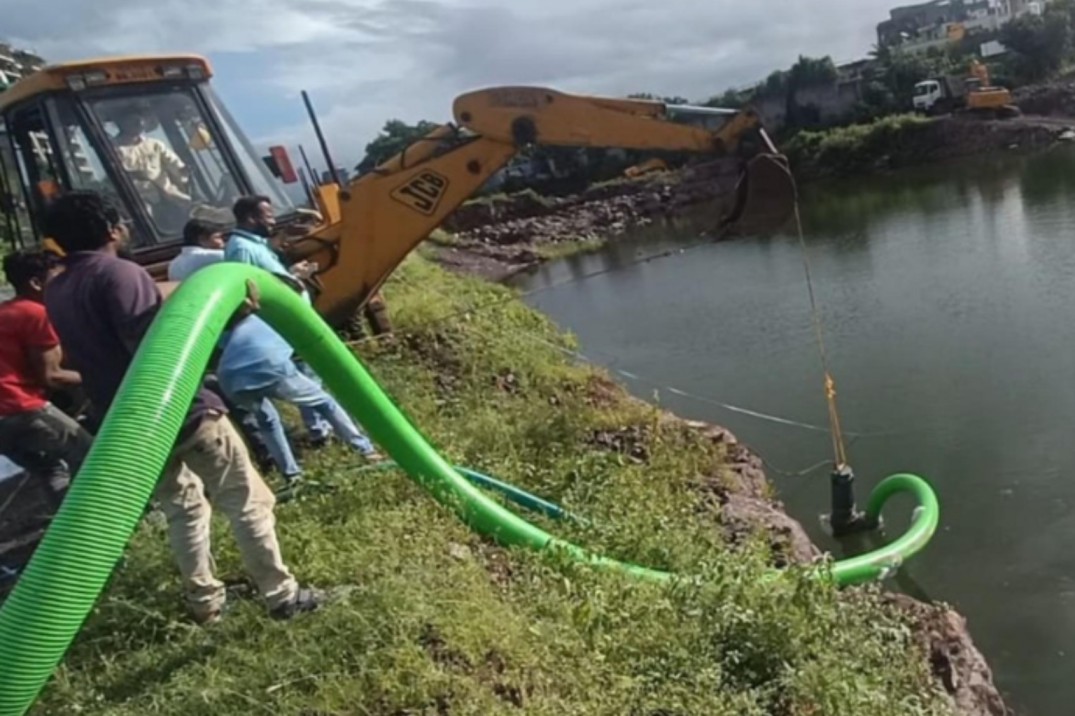
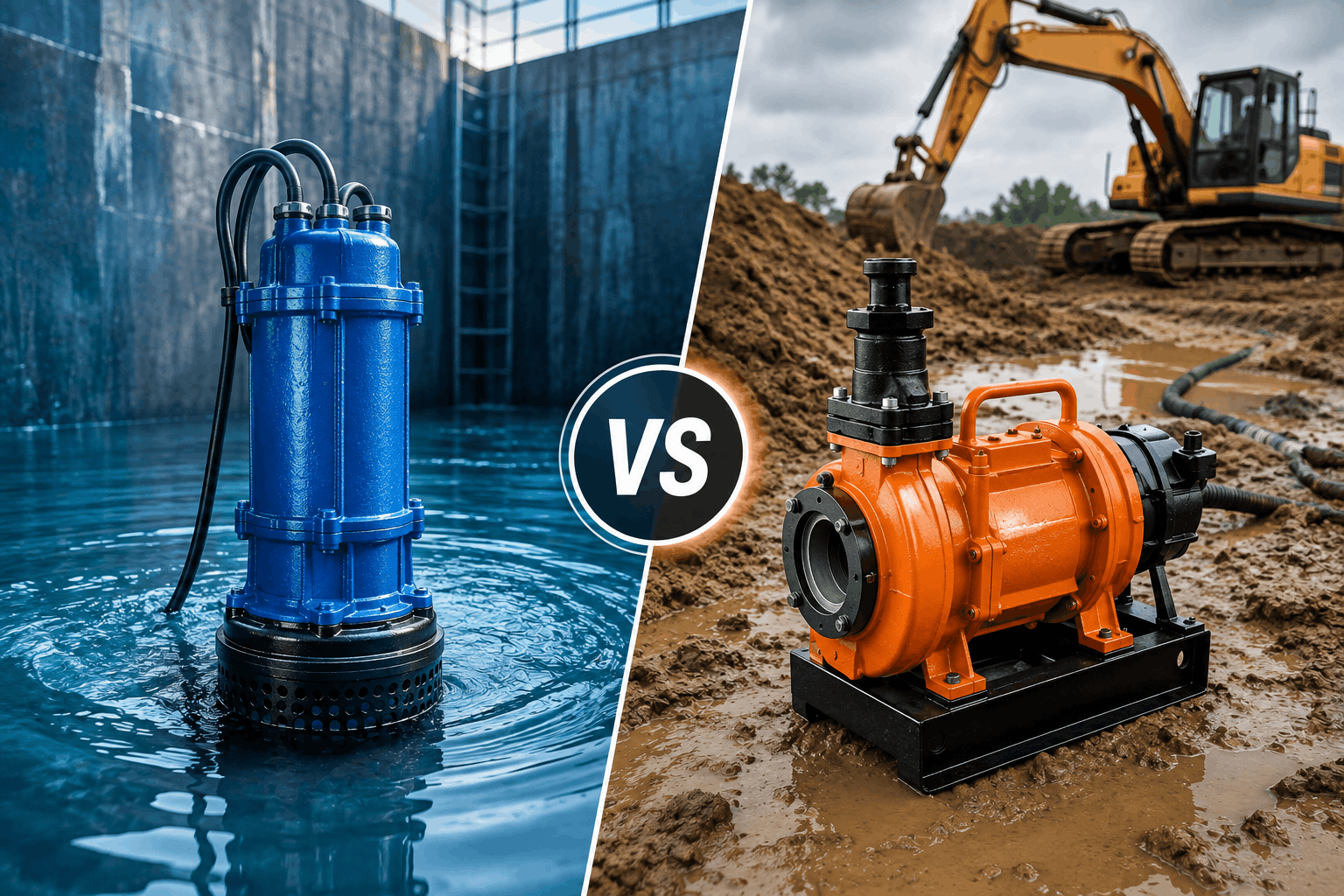
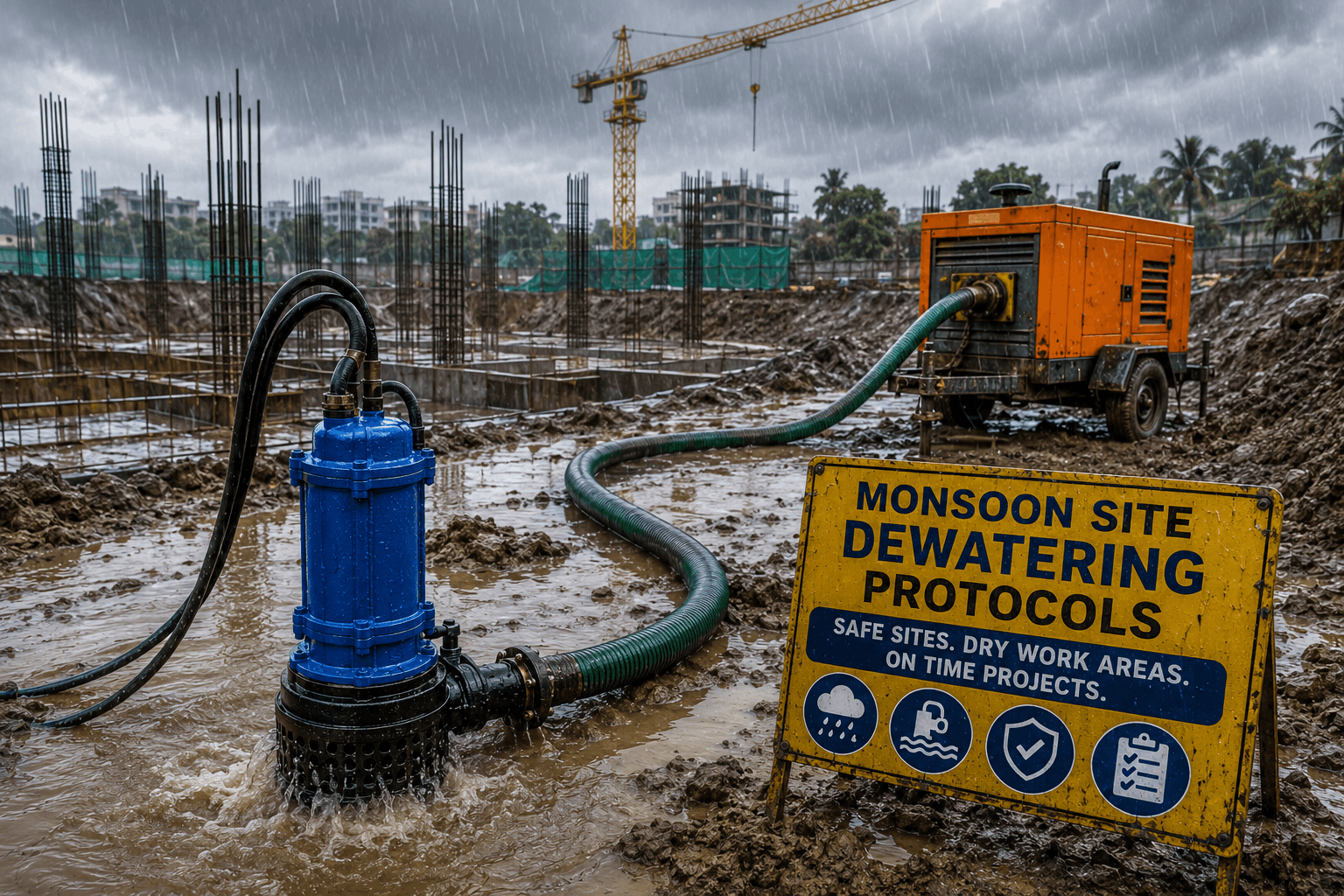
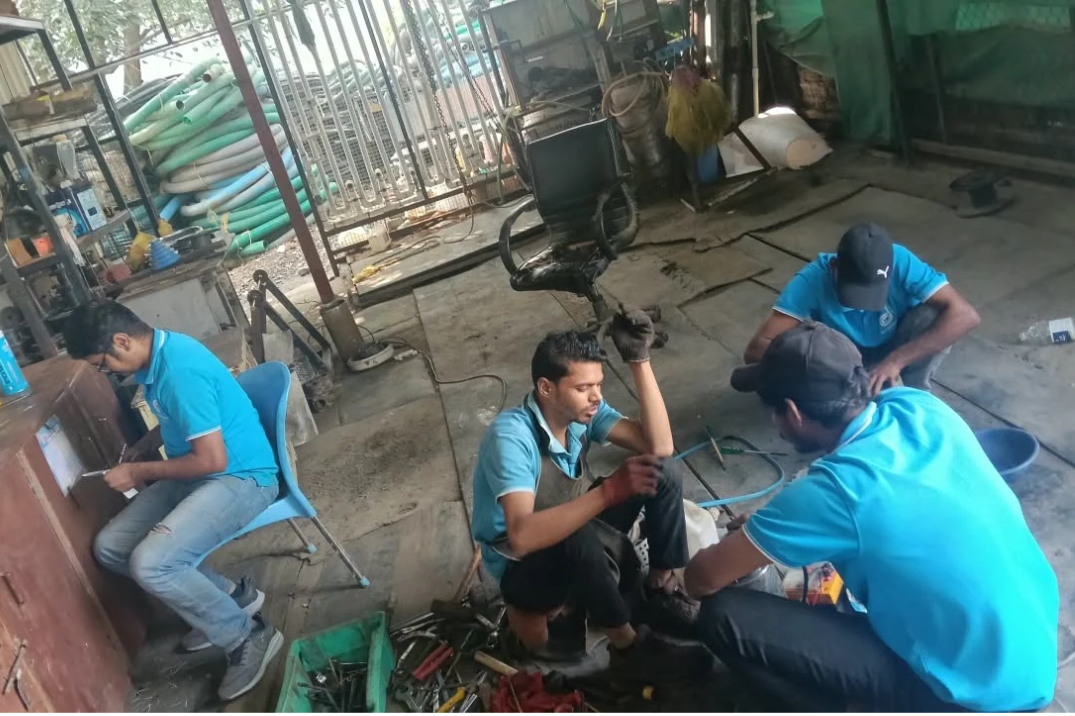
On active construction sites where monsoon stormwater also threatens basements before permanent RWH tie-ins are complete, engineering teams can align stormwater management with our Maharashtra monsoon site dewatering protocols, avoid costly excavation dewatering mistakes, or hire temporary drainage capacity from our dewatering pump rental fleet. And if your existing extraction pump struggles after recharge, our submersible pump repair team ensures reliable recovery.
Book a 48-Hour RWH Feasibility Survey & Rebate ROI Estimate
Get exact roof-yield calculations, PMC/PCMC compliance drawings, and turnkey installation pricing for your society, commercial building, or MIDC factory.Schedule On-Site Survey
5. Frequently Asked Questions (FAQs)
Yes. When protected by a multi-baffle desilting chamber, first-flush diverter, and 100-micron SS304 V-Wire filter, clean rainwater safely recharges existing borewells and helps flush mineral scale from surrounding fissures.
Depending on terrace area, piping length, and recharge shaft depth, turnkey projects typically range from ₹35,000–₹85,000 for individual bungalows and ₹1.5 Lakhs–₹5 Lakhs for housing societies and industrial facilities.
Before the monsoon begins in late May, a 30-minute terrace sweep, draining the first-flush cap, and rinsing the SS304 V-Wire cartridge keeps flow efficiency near 100% all season.
Recent Posts