Class-H Motor Rewinding & VPI Insulation: How MIDC Plants
Preserve IE2/IE3 Efficiency and Cut Breakdown Costs
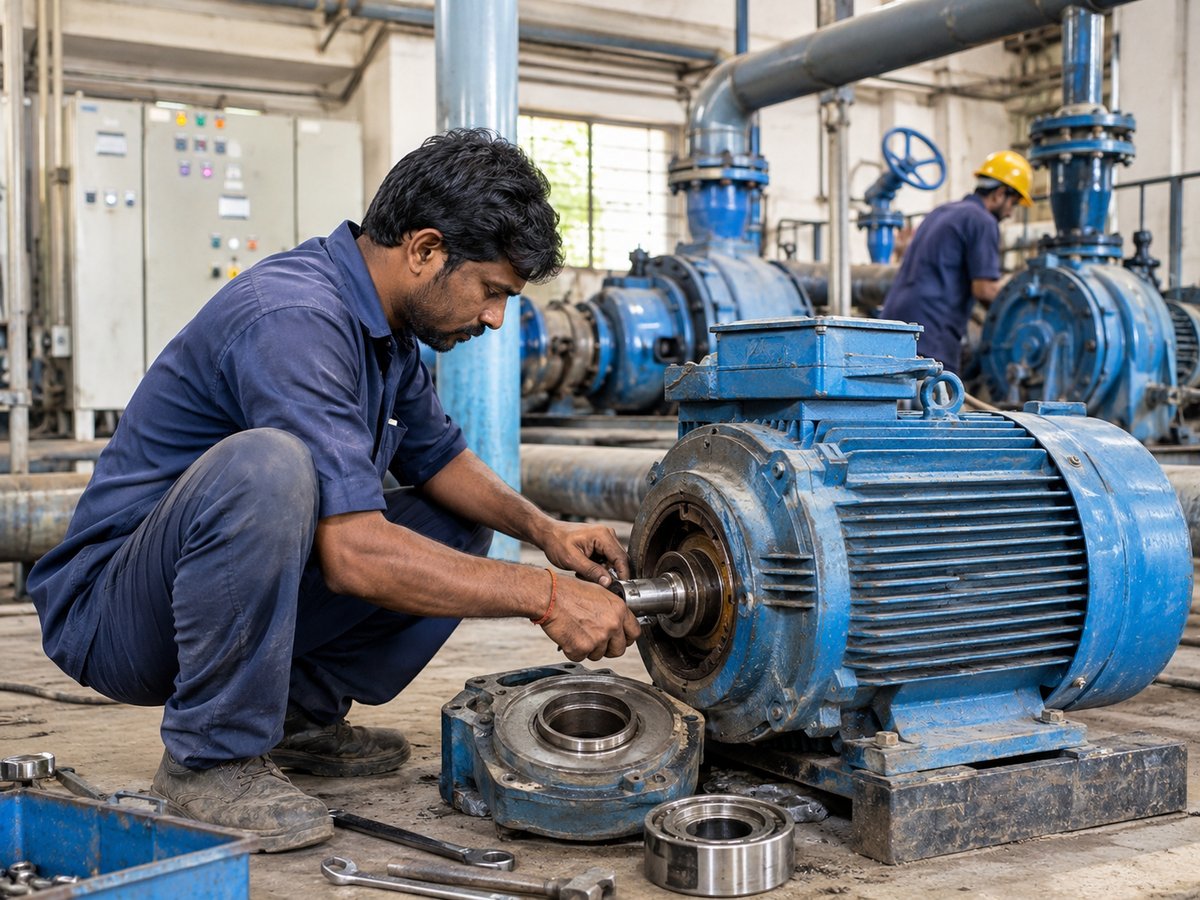
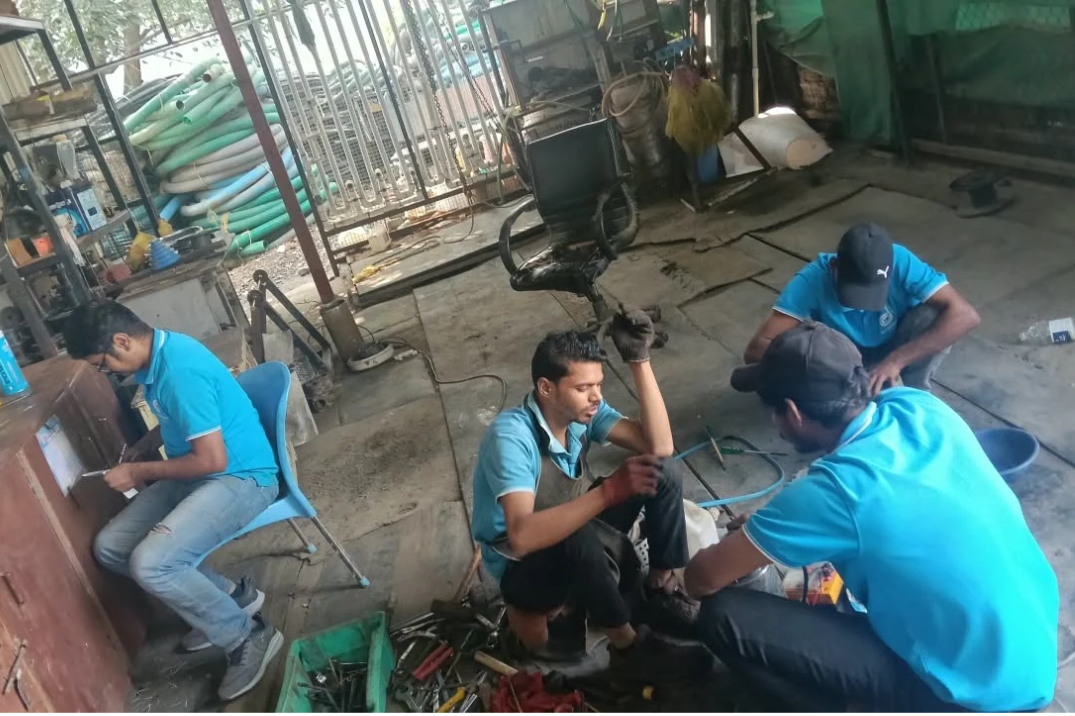
Class H motor rewinding at an industrial workshop in Pune.
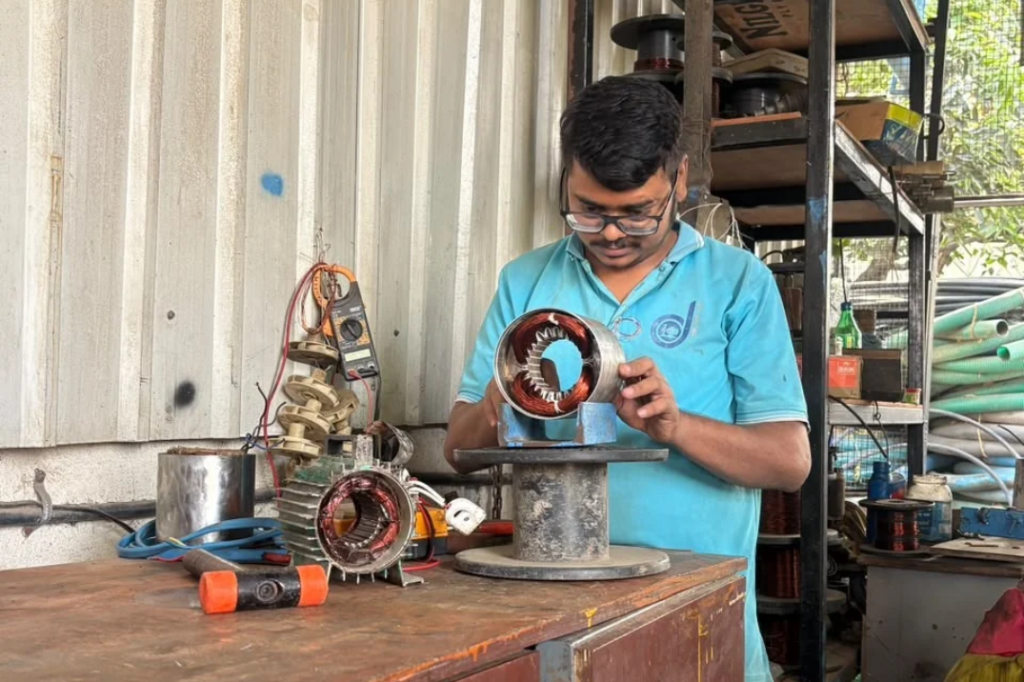
Across Pune’s heavy manufacturing corridors—Bhosari MIDC, Chakan Industrial Area, Talegaon, Ranjangaon, and Hadapsar—3-phase AC induction motors, crane slip-ring motors, and submersible pump motors run continuous 16-to-24-hour duty cycles. When a 30 HP compressor motor or a 75 HP hydraulic power-pack stator burns out, maintenance heads face two urgent pressures: minimizing line stoppage and ensuring the rebuilt motor does not silently inflate monthly MSEDCL power bills.
Unfortunately, many industrial buyers still treat electric motor rewinding services in Pune as a commodity judged solely on the lowest quote. Here is the hard electrical engineering math behind why precision Class-H rewinding with VPI pays for itself inside the first quarter of operation.
1. The Hidden kWh Penalty of "Cheap" Roadside Rewinding
When a motor running 6,000 hours a year at 75% load loses just 3% efficiency due to damaged stator core laminations or undersized wire gauge (SWG), the excess wasted electrical heat costs lakhs of rupees over the motor’s remaining service life. The three most common shop-floor shortcuts that ruin IE2/IE3 efficiency are:
- Open-Flame Coil Stripping: Heating a stator core above 400°C with a blowtorch melts the thin oxide/varnish insulation between silicon-steel laminations, permanently spiking eddy-current core losses and operating temperatures.
- Wire Gauge Substitution & Altered Coil Pitch : Dropping one SWG size to save copper weight increases I2R copper losses, reduces starting torque, and causes premature thermal aging.
- Gravity Dip Varnishing Instead of VPI : Simple brush or dip varnishing leaves microscopic air pockets inside tight stator slots. Under load vibration and moisture, these air voids trigger partial discharges and inter-turn shorts.
2. Class-F vs. Class-H Insulation & VFD Inverter-Duty Protection
Modern MIDC facilities increasingly drive motors through Variable Frequency Drives (VFDs) to optimize process torque and power factor. However, PWM switching on VFDs generates steep dV/dt voltage spikes and common-mode shaft currents that rapidly puncture standard Class-B or aging Class-F enamel.
Engineering Parameter |
Standard Shop Rewind (Class-B/F) |
Dhaneshwari Industrial Standard (Class-H + VPI) |
Operational Benefit for MIDC Plants |
|---|---|---|---|
|
Thermal Rating
|
130°C (Class-B) to 155°C (Class-F)
|
180°C Continuous (Class-H) |
Substantial thermal margin against summer ambient spikes & voltage unbalance
|
|
Magnet Wire Spec
|
Single-coat commercial copper
|
99.9% Electrolytic Dual-Coat Corona-Resistant Copper
|
Withstands high dV/dt VFD switching spikes without pinhole breakdown
|
|
Slot & Phase Liner |
Basic pressphan / polyester film
|
DuPont Nomex + Mylar Composite + Glass-Cloth Separators
|
High mechanical tear resistance during coil insertion & short-circuit forces |
|
Impregnation Process
|
Manual brush or open dip & air dry
|
Hermetic Vacuum Pressure Impregnation (VPI) + 140°C Oven Cure
|
100% void-free monolithic coil locking; superior heat dissipation & moisture seal |
|
Core Stripping Method
|
Open torch burnout (risks core damage)
|
Thermostatically Controlled Burnout Oven
|
Preserves silicon-steel lamination insulation & original OEM watt-loss rating
|
3. Mandatory Quality Testing Benchmarks Before Any Motor Leaves the Workshop
A 5 kV Megger check alone cannot detect a weak inter-turn insulation defect inside a newly wound coil—it only checks winding-to-ground resistance. Before releasing any 0.5 HP to 250 HP LT/HT, crane-duty, or submersible stator from our Dhayari facility, our engineers enforce a six-point diagnostic gate compliant with IS 900 / IS 1231:
- Core Flux & Thermal Loss Inspection : Verifying zero lamination hot spots prior to winding.
- Digital Micro-Ohmmeter (Kelvin Bridge) Balance : Chemical removal of hard-water scale, iron oxide, and compacted mud without scoring bearing housings.
- Confirming U-V-W phase resistance balance within ±1.5%. : Applying high-frequency voltage pulses to confirm identical waveform decay across all three phases (detects inter-turn faults invisible to a Megger).
- 5 kV Digital Megohmmeter Test : Ensuring insulation resistance to ground exceeds 500 MΩ at ambient temperature.
- ISO 1940 Grade G2.5 Rotor Balancing & Full-Voltage No-Load Run : Logging balanced phase amperes and verifying bearing housing temperatures stabilize below 65°C.
- AC High-Potential (Hi-Pot) Withstand Test : Stress-testing dielectric integrity at 2× Rated Voltage + 1,000V for 60 seconds.
4. Rewind vs. New OEM Motor Replacement: Industrial ROI Framework
Plant managers frequently ask when to rewind versus procure a new IE3 motor. In our workshop across Dhaneshwari’s industrial operations, the economics split cleanly by frame size and mechanical condition:
- Below 3 HP Standard Foot-Mounted Motors: Replacement is often faster unless the motor has a custom flange, hollow shaft, or integrated pump monoblock housing.
- 5 HP to 250 HP Industrial, Crane & Submersible Motors: Precision Class-H VPI rewinding typically costs 30% to 45% of a new OEM motor, avoids 2-to-6-week OEM delivery lead times for specialized frame sizes, and restores reliability when paired with new SKF/FAG bearings and complete mechanical pump overhauls.
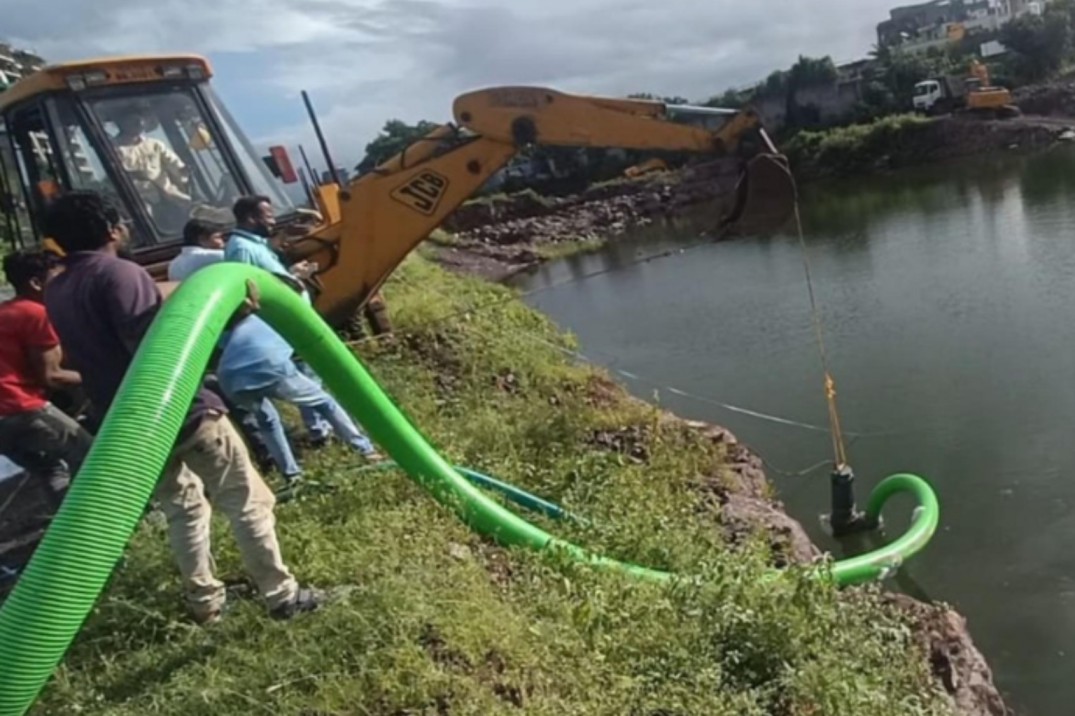
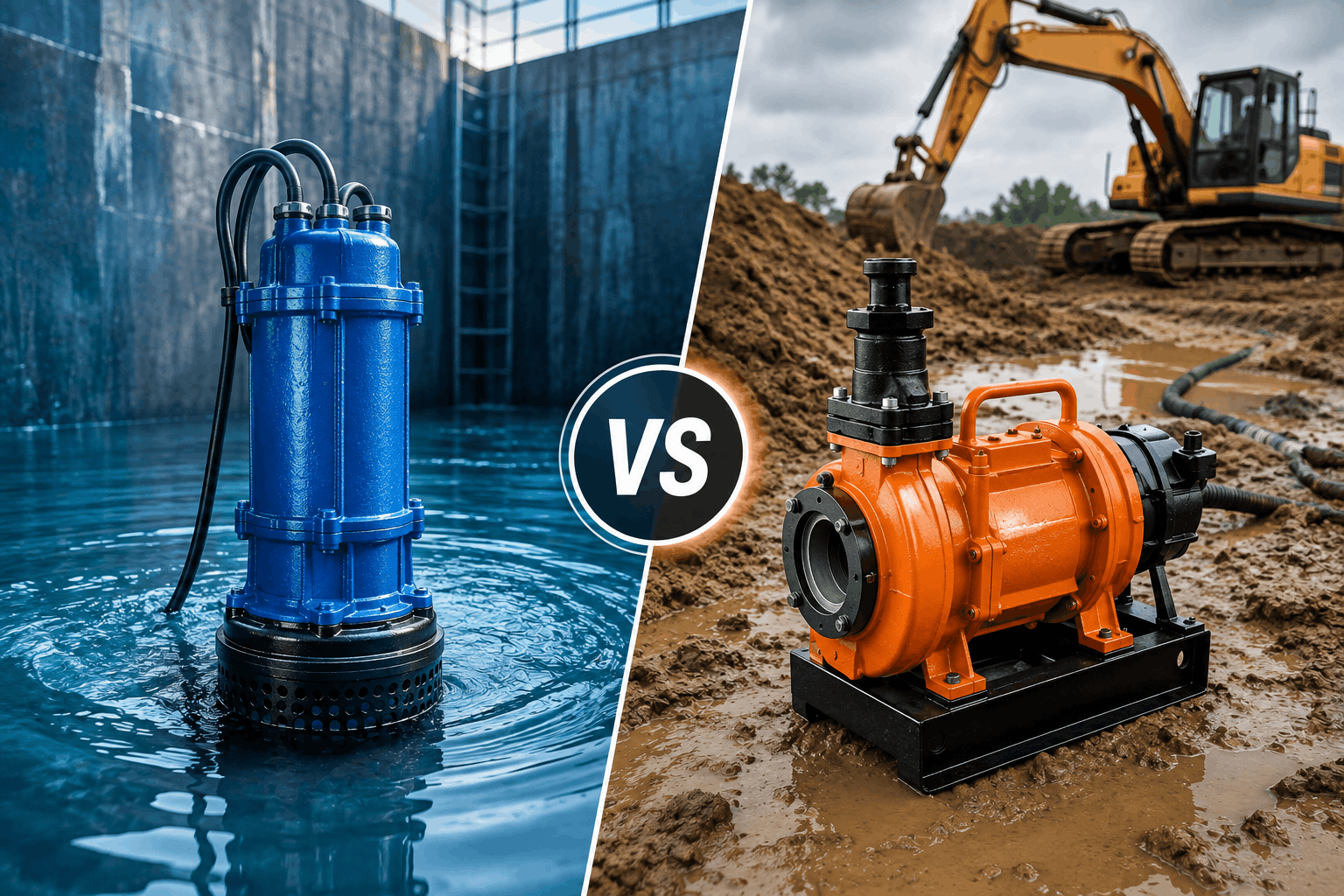
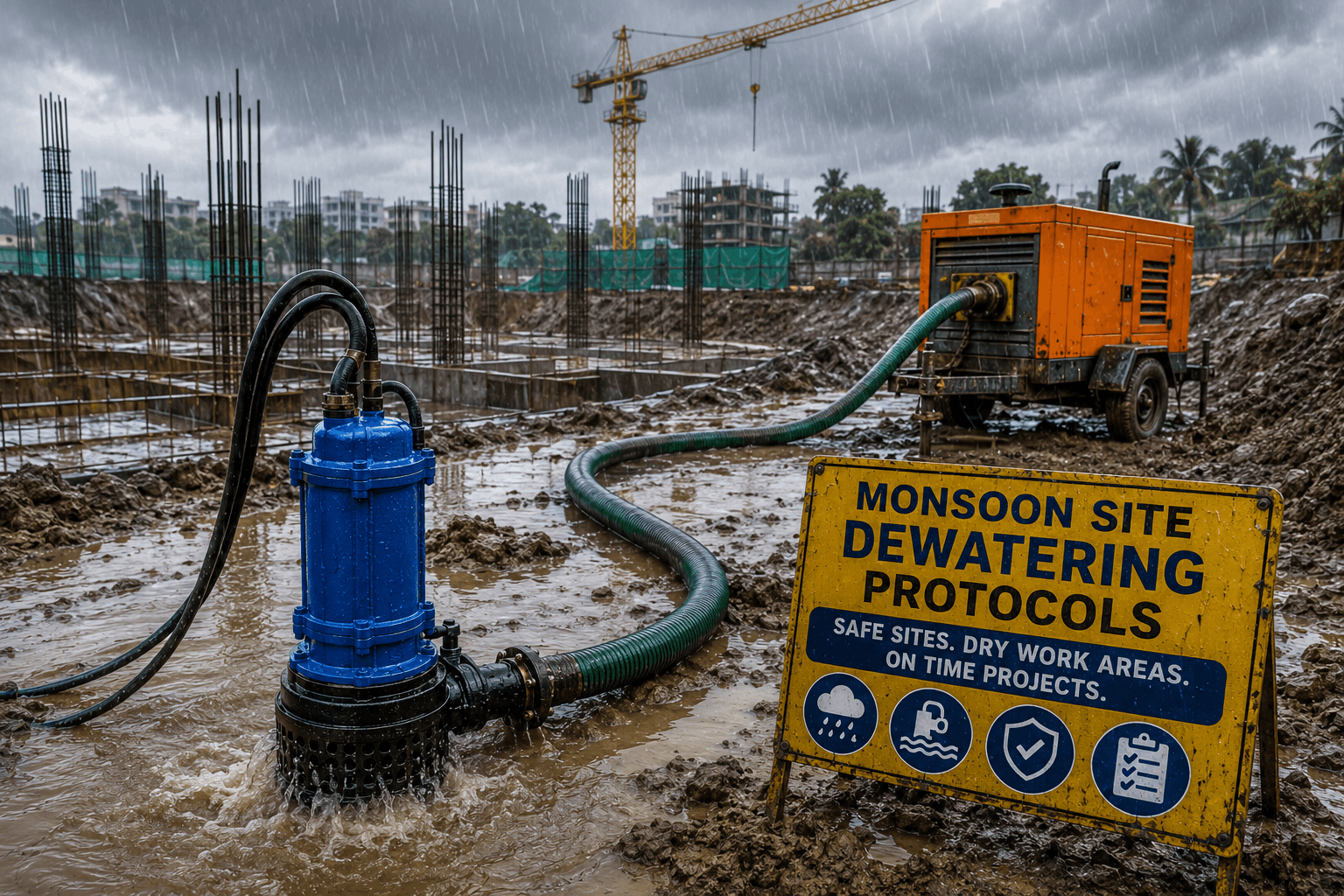
- Submersible Dewatering & Slurry Motors (2 HP to 50 HP): Rewinding with XLPE/poly-wrap waterproof winding wire restores submersible pumps rapidly—and if a construction pit cannot wait, we deploy immediate backup from our dewatering rental fleet or sludge pump stock.
Factory Motor Burnout or Looking for a Plant Rewinding AMC?
Schedule crane-assisted motor pickup anywhere in Bhosari, Chakan, Talegaon, Hadapsar, or Pune—complete with surge test & Megger QA reports.
Request Industrial AMC Quote
5. Frequently Asked Questions (FAQs)
Only when done with uncontrolled torch burnouts or wrong wire gauges. Controlled-oven stripping, exact SWG/coil-pitch replication, and VPI varnishing preserve stator core laminations and keep efficiency within 0.5% to 1.0% of original OEM specifications.
Standard turnaround is 24 to 48 hours. For critical plant breakdowns, we offer expedited 12-to-18-hour overnight rewinding with hoist-equipped pickup and delivery across Pune and PCMC.
Yes. We rewind VFD-fed motors using corona-resistant dual-enameled Class-H copper wire, as well as rotor/stator coils and brush assemblies for EOT cranes and builder hoists.
Recent Posts