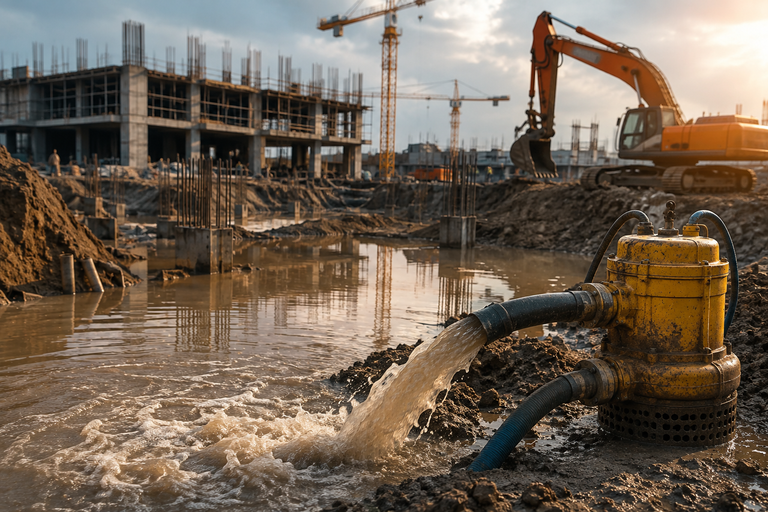
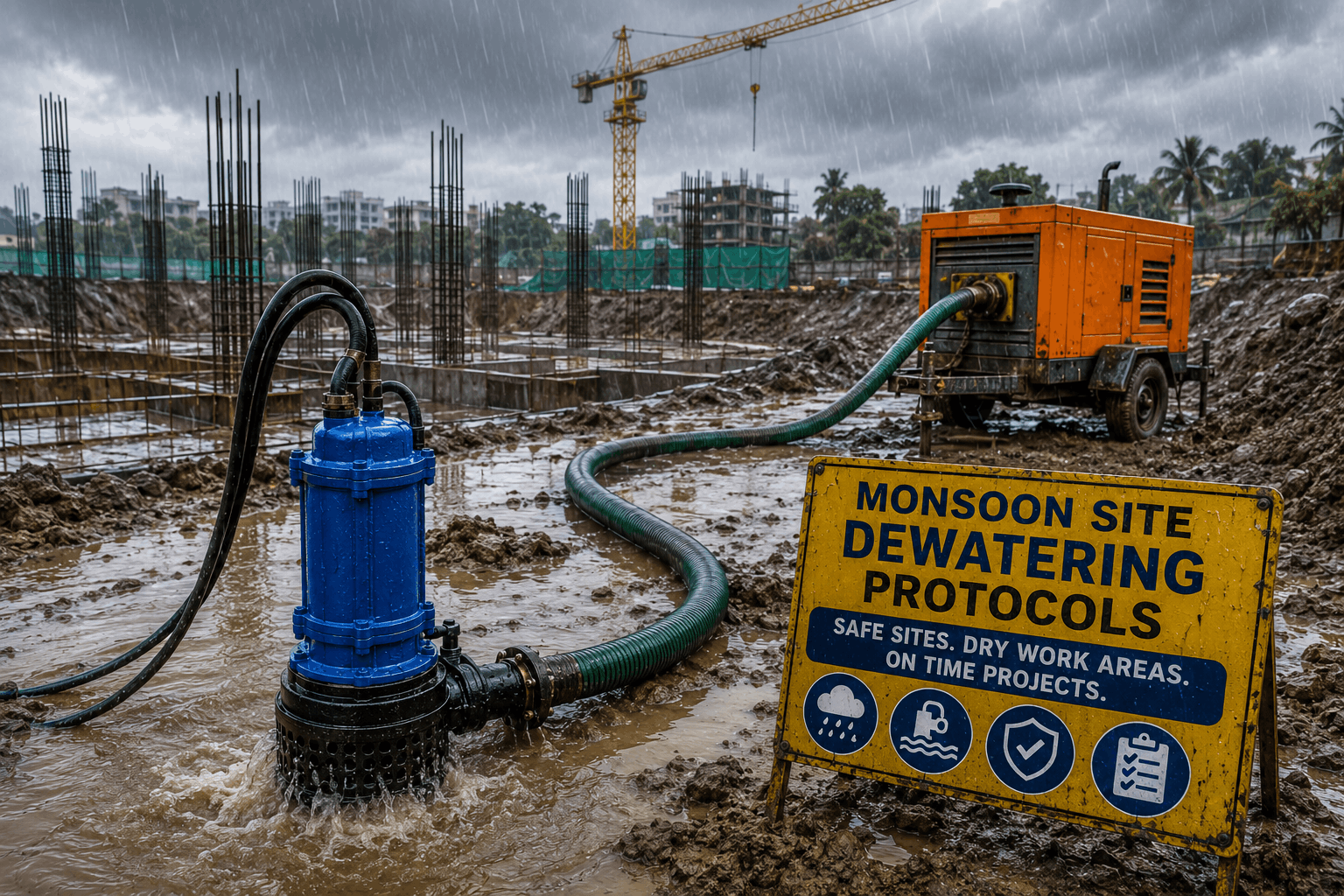
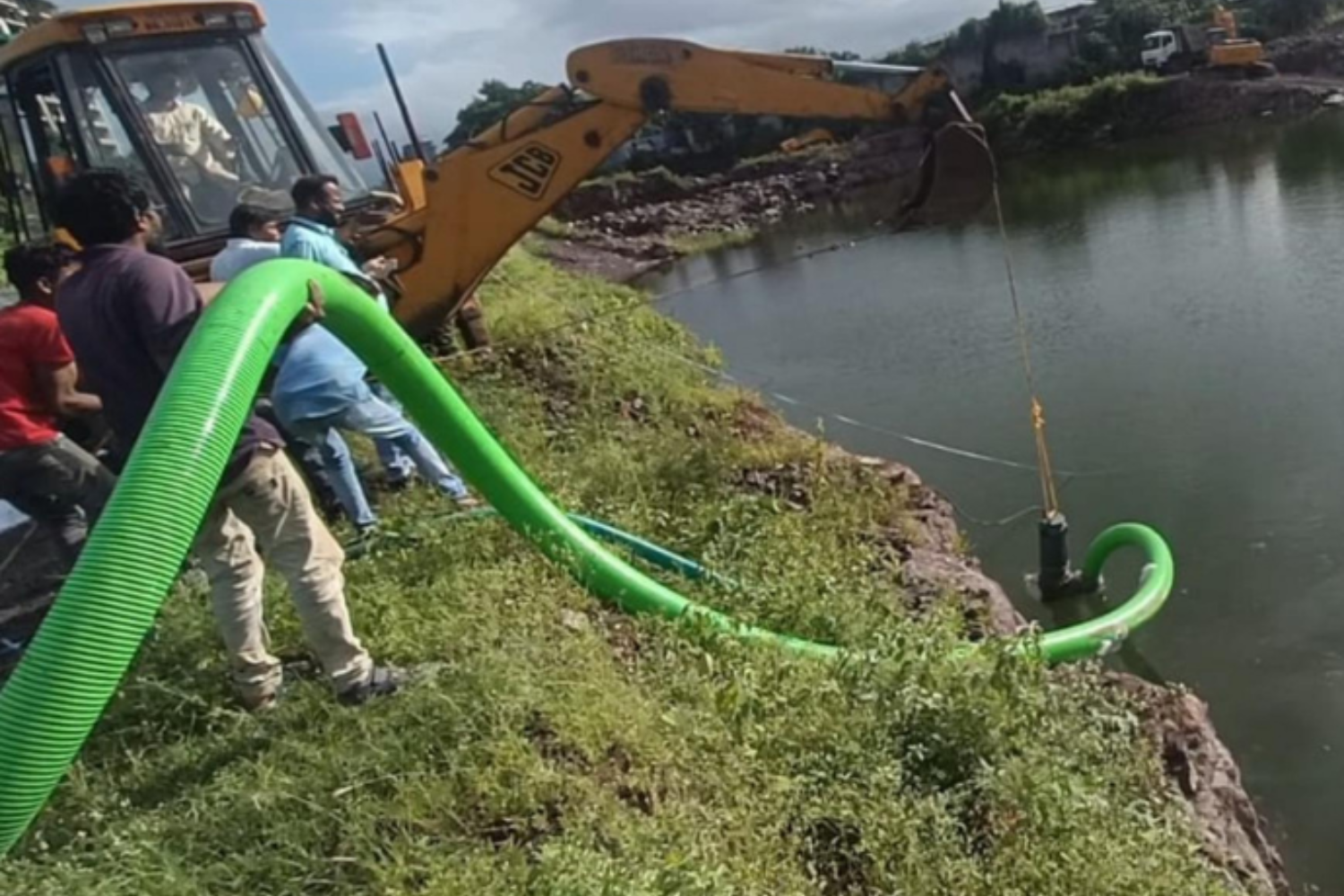
Water accumulation is one of the common challenges faced during excavation and construction work. If groundwater, rainwater, or seepage is not controlled properly, it can slow down excavation, affect site conditions, increase labour requirements, and cause unexpected project delays.
Construction dewatering helps remove unwanted water from excavation areas and maintain workable conditions for foundation, basement, trench, and other below-ground construction activities. However, simply installing a pump is not always enough. The dewatering system needs to match the site conditions, water inflow, excavation depth, soil type, and project requirements.
Here are some common
dewatering mistakes that can delay construction projects and how contractors can avoid them.
1. Starting Dewatering Without Understanding Site Conditions
One of the biggest mistakes is starting pumping without properly understanding the groundwater and soil conditions.
2. Choosing the Wrong Dewatering Pump
Not every pump is suitable for every construction site.
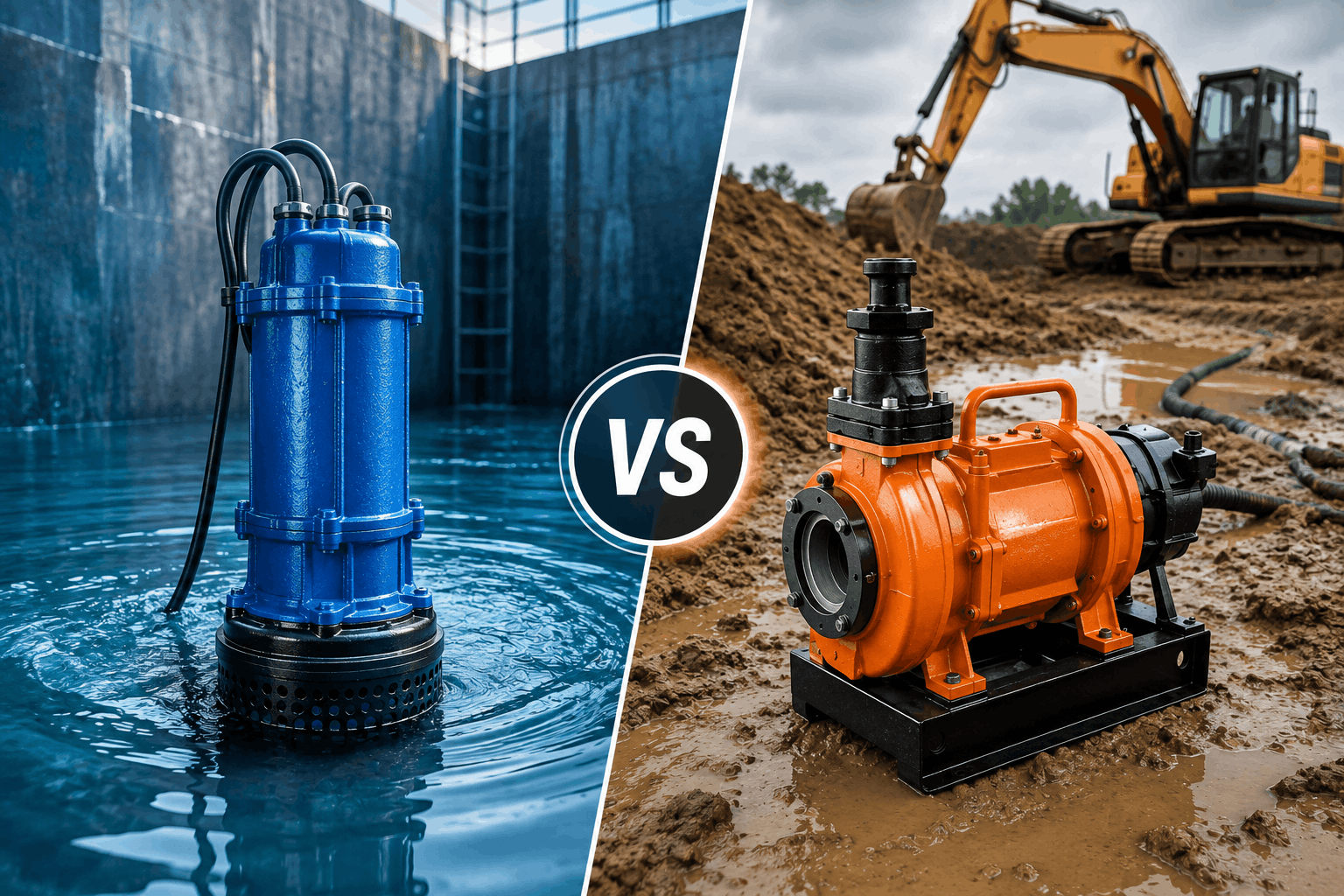
A pump required for removing occasional rainwater may be different from one needed for continuous groundwater inflow. Pump selection should consider water source, solids or silt content, required flow, total head, discharge distance, and operating conditions.
Using an undersized pump can result in:
Choosing a pump based only on HP without checking the actual site requirement can therefore create unnecessary problems.
3. Using Only One Pump Without a Backup
If the pump fails because of:
water can quickly accumulate in the excavation.
For critical projects, contractors should consider a standby dewatering pump or suitable backup arrangement. Reliable standby planning is particularly important when water control is connected to site safety or protection of partially completed structures.
4. Ignoring Silt and Solid Content
Construction-site water may contain mud, sand, silt, and other solids. A pump that is not suitable for these conditions can experience blockages, wear, or reduced performance.
Before selecting a mud pump or dewatering pump, contractors should understand what type of water needs to be removed.
If the water contains significant amounts of solids, the pump and suction arrangement should be selected accordingly.
5. Installing the Pump in the Wrong Location
Pump placement can directly affect dewatering performance.
A poorly positioned pump may not collect water effectively, while an unsuitable sump location can cause sediment accumulation or interfere with excavation activities.
The pumping arrangement should be planned so that water naturally moves toward the collection point without disturbing the excavation.
6. Underestimating Water Inflow
Another common mistake is estimating water requirements based only on the water visible in the excavation.
Groundwater can continue entering the excavation even after the initial water is pumped out. Rainfall and changing groundwater conditions can also increase the water volume.
The dewatering system should therefore consider both expected inflow and changing site conditions rather than only the water present when the pump is first installed.
Choosing the Right Dewatering Pump for Your Project
The right construction dewatering pump depends on the actual site requirement. Contractors should consider water volume, groundwater inflow, pumping head, discharge distance, solids content, excavation depth, and expected operating hours.
For construction and excavation projects, selecting the right
mud pump or dewatering pump can help maintain workable site conditions and reduce unnecessary interruptions.
Dewatering Services and Mud Pumps in Pune
For contractors working in Pune, reliable pumping equipment and timely dewatering support can make a major difference during excavation and construction work.
Dhaneshwari Electricals & Pump Services provides construction dewatering services and mud pumps for rental and sales in Pune.
Our dewatering pump range includes
2 HP to 50 HP mud pumps, suitable for different construction and excavation requirements.
We support applications such as:
Conclusion
Dewatering problems do not always happen because of pump failure. In many cases, delays occur because of poor planning, incorrect pump selection, insufficient capacity, lack of backup equipment, improper discharge arrangements, or failure to monitor changing site conditions.
By understanding these common dewatering mistakes, contractors can prepare better, reduce construction interruptions, and maintain safer and more workable excavation conditions.
If you need
dewatering services or mud pumps on rent in Pune,
contact Dhaneshwari Electricals & Pump Services to discuss your project requirements.