Why Dewatering is Important in Construction Projects
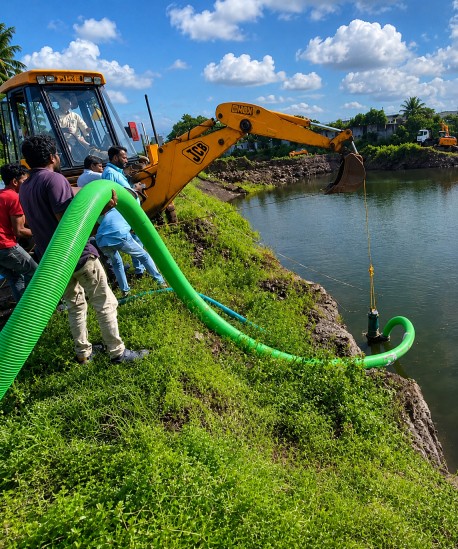
Water and construction rarely mix well. Whether you’re breaking ground on a high-rise, laying underground utilities, or building a basement foundation, excess water on a construction site can quickly turn a manageable project into a costly disaster. That’s where dewatering Service comes in.
Dewatering is an essential aspect of modern construction projects, particularly in areas where water accumulation can pose significant challenges to the integrity and safety of the building process. This critical technique involves the removal of water from a construction site to create a dry and stable working environment — whether dealing with groundwater, surface water, or other sources of moisture.
What is Dewatering in Construction?
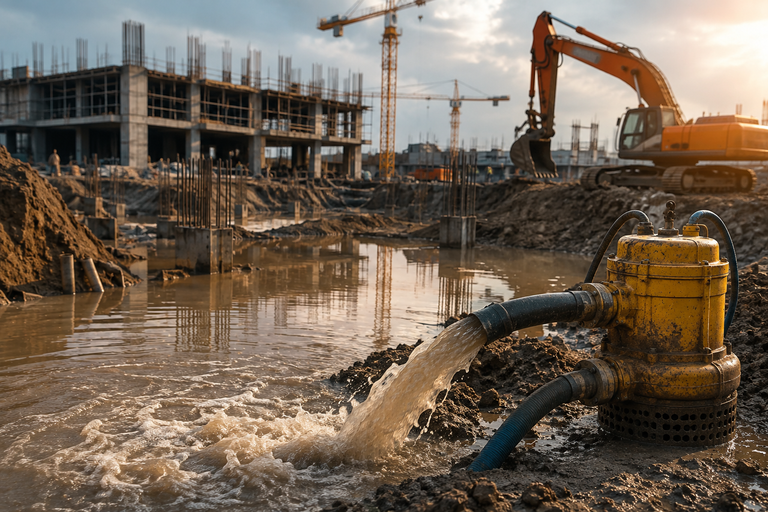
Dewatering is the process of removing groundwater or surface water from a construction site to create a safe, dry, and stable working environment. Whenever excavation, foundation construction, or underground utilities are involved, managing water is often one of the most critical aspects of the project. Inadequate dewatering can lead to soil instability, structural failures, reduced worker safety, and costly project delays.
Importance of Dewatering in Construction Projects
- 1. Improves Soil Stability :- Excess water weakens soil strength and creates unstable ground conditions. Dewatering helps maintain firm soil stability, reducing the risk of excavation collapse and foundation failure.
- 2. Ensures Worker Safety :- Flooded construction sites increase the risk of slips, electrical hazards, and accidents. Proper water removal creates a safer working environment for construction workers and machine operators.
- 3. Prevents Project Delays :- Water accumulation can stop excavation and construction activities for several days. Efficient dewatering systems help contractors continue operations without unnecessary interruptions.
- 4. Protects Construction Equipment :- Heavy construction equipment and machinery can get damaged when operating in waterlogged areas. Dewatering protects expensive machinery and improves equipment performance on-site.
- 5. Enhances Construction Quality :- Dry construction conditions improve concrete work, foundation installation, and structural strength. Proper dewatering ensures high-quality construction standards.
Common Dewatering Methods in Construction
Because construction sites vary widely in terms of soil composition, water table depth, climate, and project scope, multiple dewatering methods have emerged to address these different conditions.
- Sump Pumping (Open Pumping) :- Sump pumping involves excavating a sump or pit at the lowest point of the construction site so that groundwater or stormwater naturally collects there, which is then pumped out. It's the most cost-effective option and works well for shallow excavations.
- Wellpoint Systems :- Wellpoint systems are ideal for large or deep excavations, using a series of small wells to lower the water table around the site. They are highly effective for lowering groundwater levels in sandy or gravelly soils, can be scaled easily by adding more wellpoints for larger projects, and allow for precise control over the groundwater level.
- Deep Well Dewatering :- Deep well dewatering systems are widely used in construction projects where the excavation depth exceeds the capabilities of other methods. These systems employ multiple deep wells installed around the construction site to lower the groundwater level, and are particularly effective in cohesive or confined soil conditions.
- Choosing the Right Method :- When looking for the best dewatering method, the most important factors to consider are: soil type, budget, amount of water to remove, and excavation depth. The permeability of the soil is especially important — some methods like sump pumping work best in low-permeability soil, while deep well dewatering works best in high-permeability soil.
Types of Dewatering Pumps Used in Construction
- High Discharge Dewatering Pumps :- These pumps are designed for removing large volumes of water quickly from flooded areas. They are ideal for heavy-duty construction and infrastructure projects.
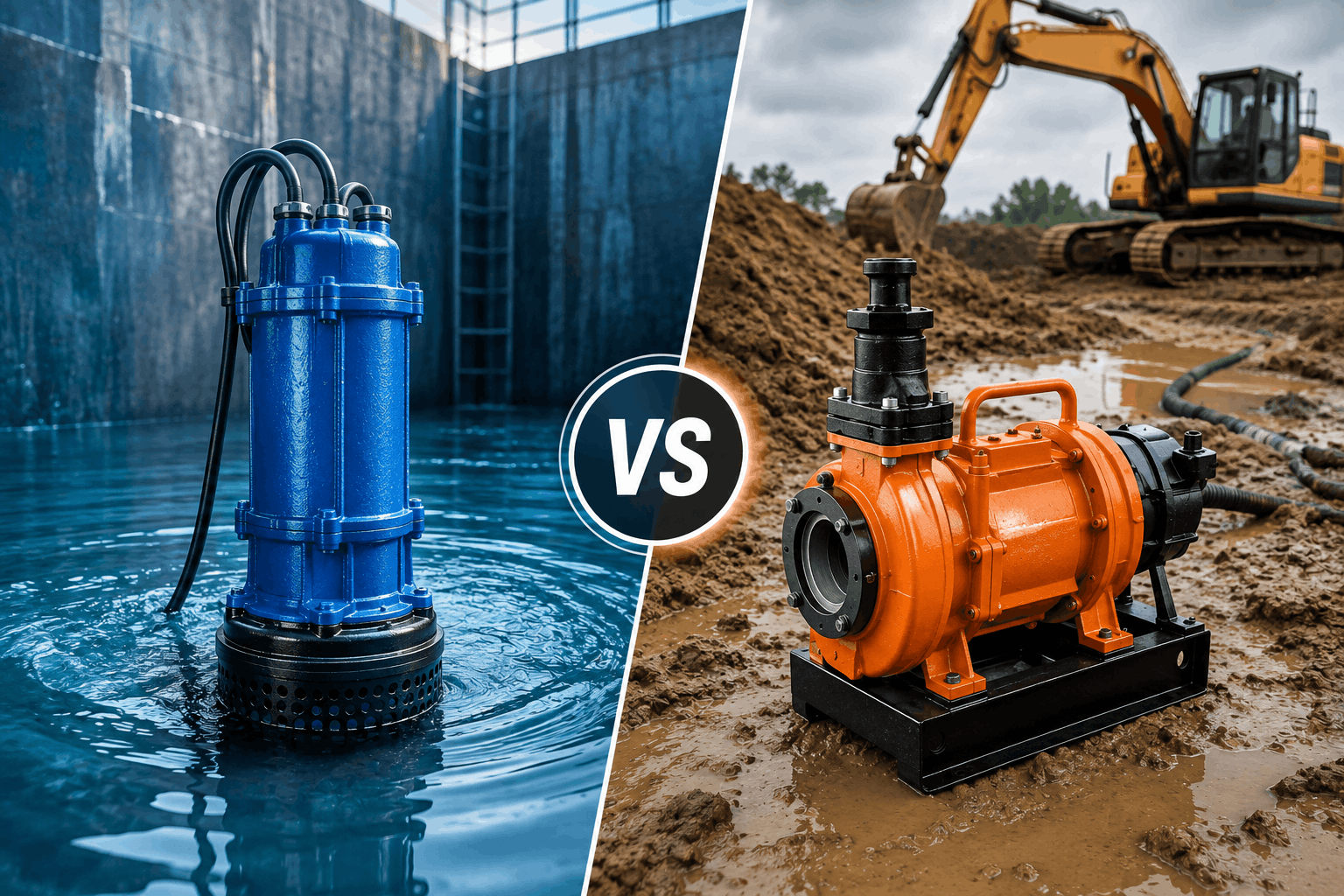
- Submersible Dewatering Pumps :- Submersible pumps operate underwater and are suitable for deep excavation sites and drainage applications.
- Centrifugal Dewatering Pumps :- These pumps are commonly used for temporary water removal in medium-scale construction operations.
Key Components of a Dewatering Plan
- Site assessment :- soil type, groundwater levels, and proximity to water bodies.
- Method selection :- matched to site conditions and excavation depth.
- Equipment specification :- pump capacity, well depth, and pipe sizing
- Monitoring protocols :- ongoing water table measurement
- Safety measures :- protecting workers from flooding hazards
- Environmental impact assessment :- managing runoff and protecting local ecosystems
Dewatering Solutions for Construction Projects in Pune
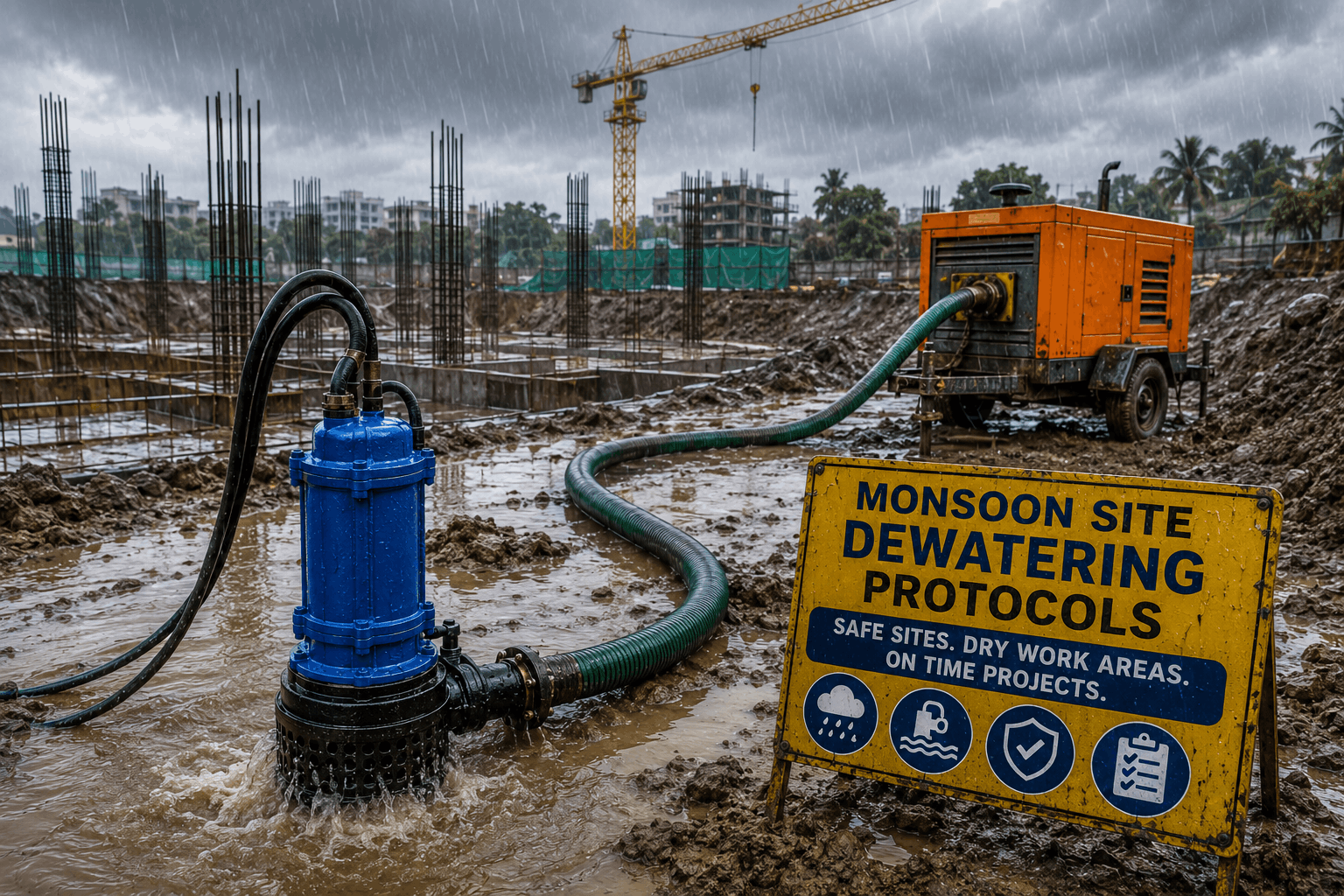
Pune’s growing construction industry requires reliable dewatering equipment for residential, commercial, and industrial developments. Construction companies prefer high-performance dewatering pumps that offer durability, efficiency, and continuous operation during monsoon conditions.
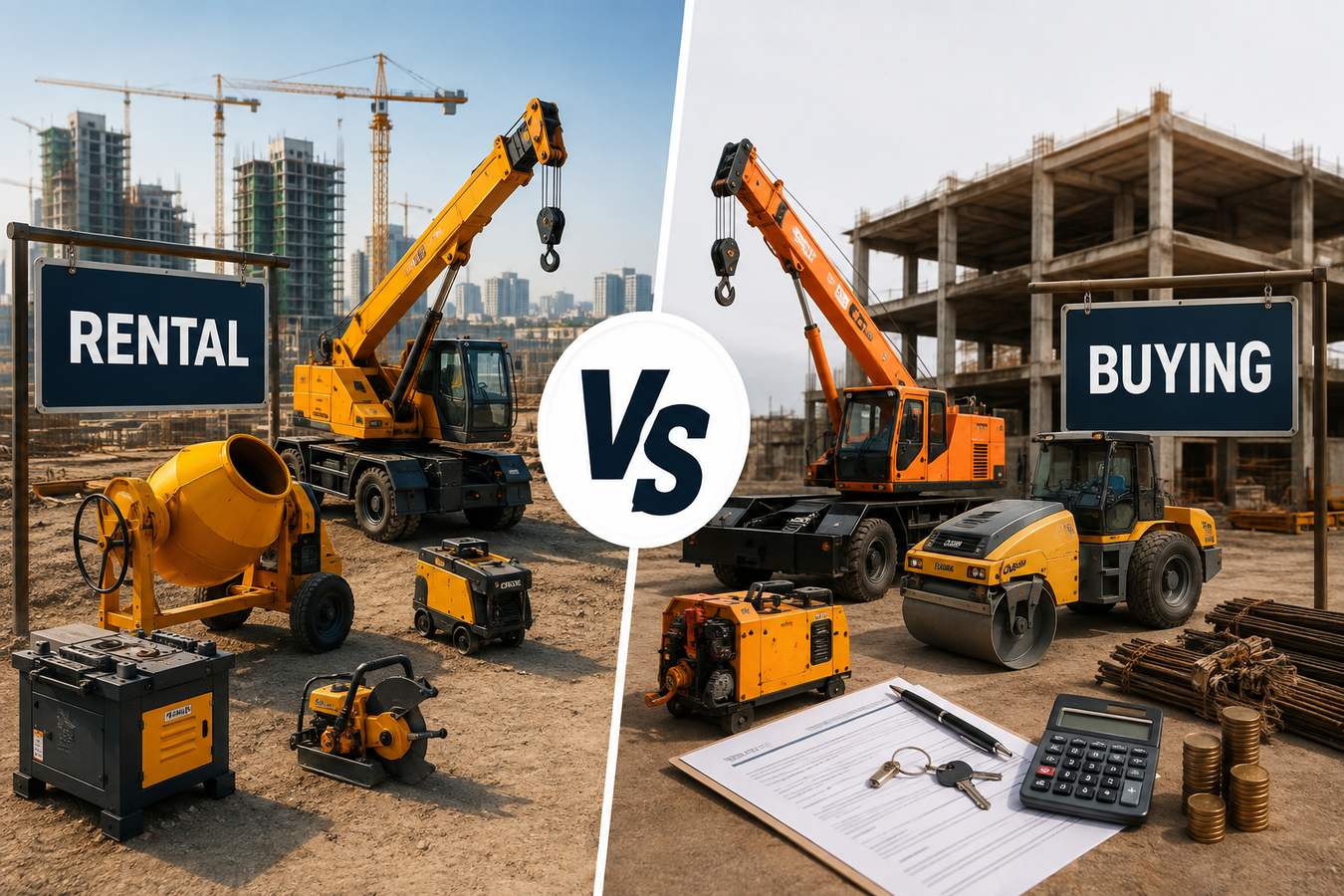
Professional construction equipment suppliers in Pune provide advanced dewatering solutions with technical support, equipment maintenance, and rental options for various project requirementConclusion
Dewatering isn’t just a technical checkbox in a construction project — it’s a foundational element that determines whether a project is safe, structurally sound, and completed on time. From protecting workers and neighboring communities to ensuring the long-term durability of the structure itself, effective water management is non-negotiable on any serious construction site.
Whether you’re managing a small residential excavation or a large commercial development, investing in the right dewatering strategy from the start pays dividends throughout the entire project lifecycle.
contact Dhaneshwari Electricals & Pump Services to discuss your project requirements.Recent Posts